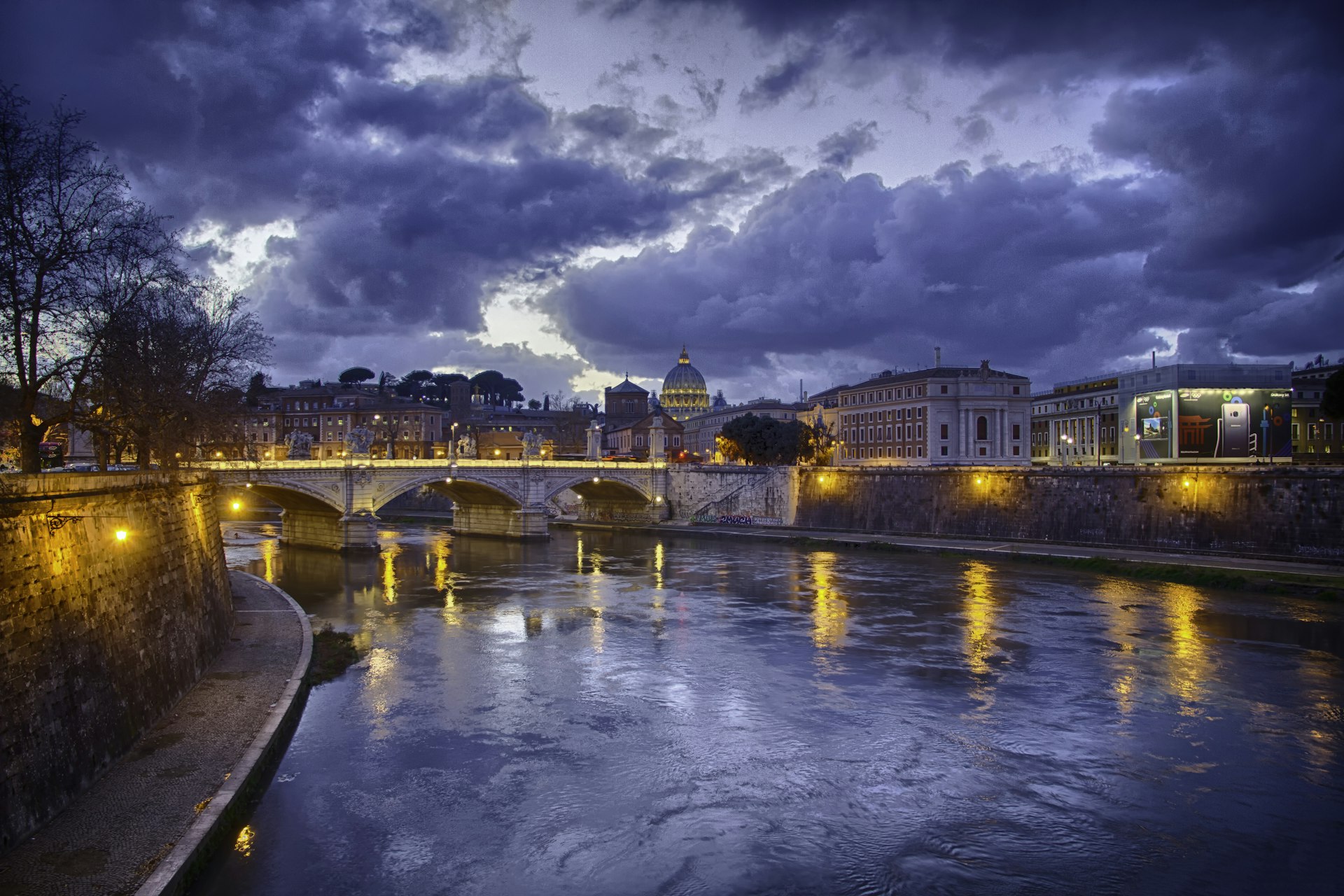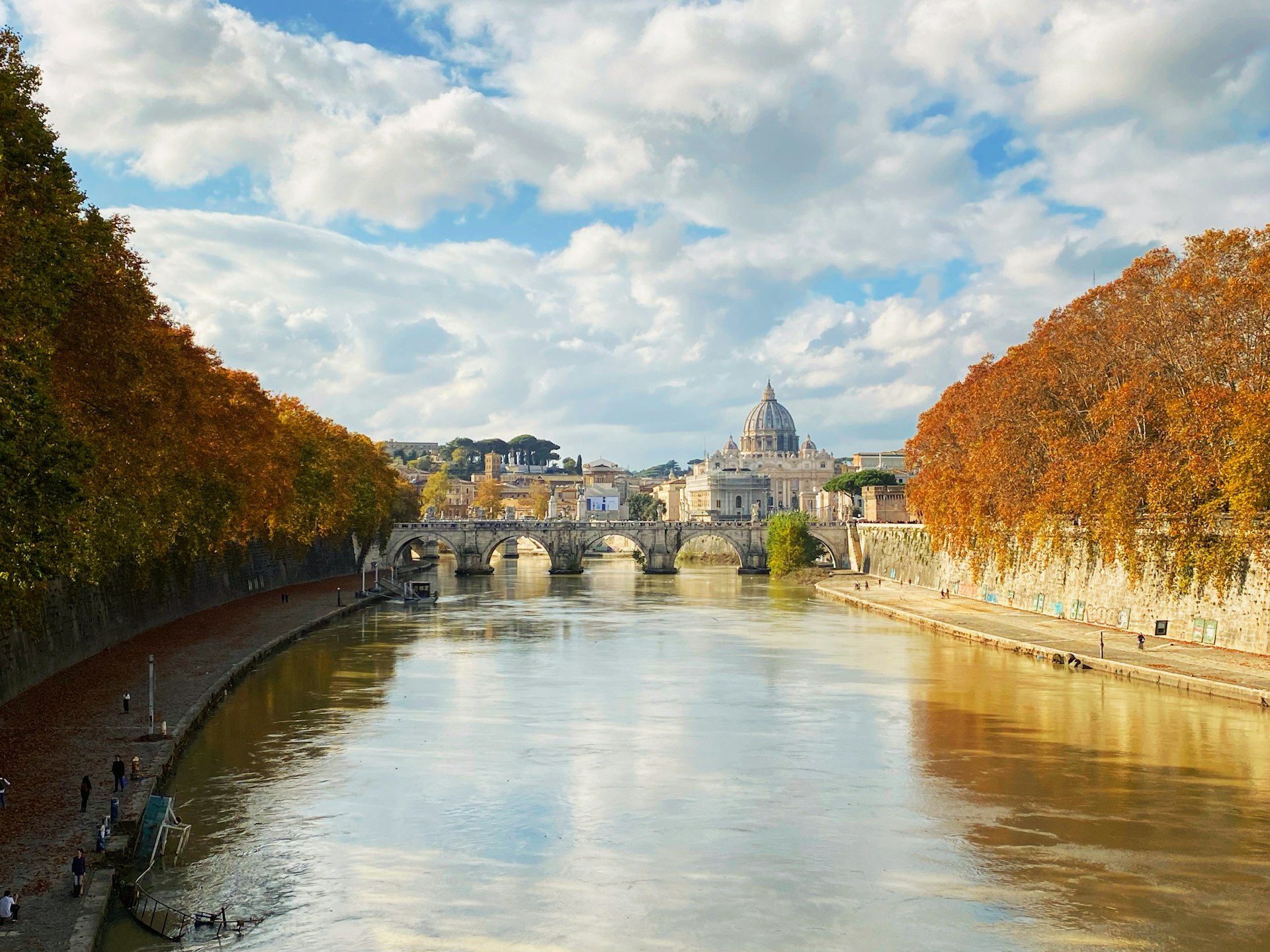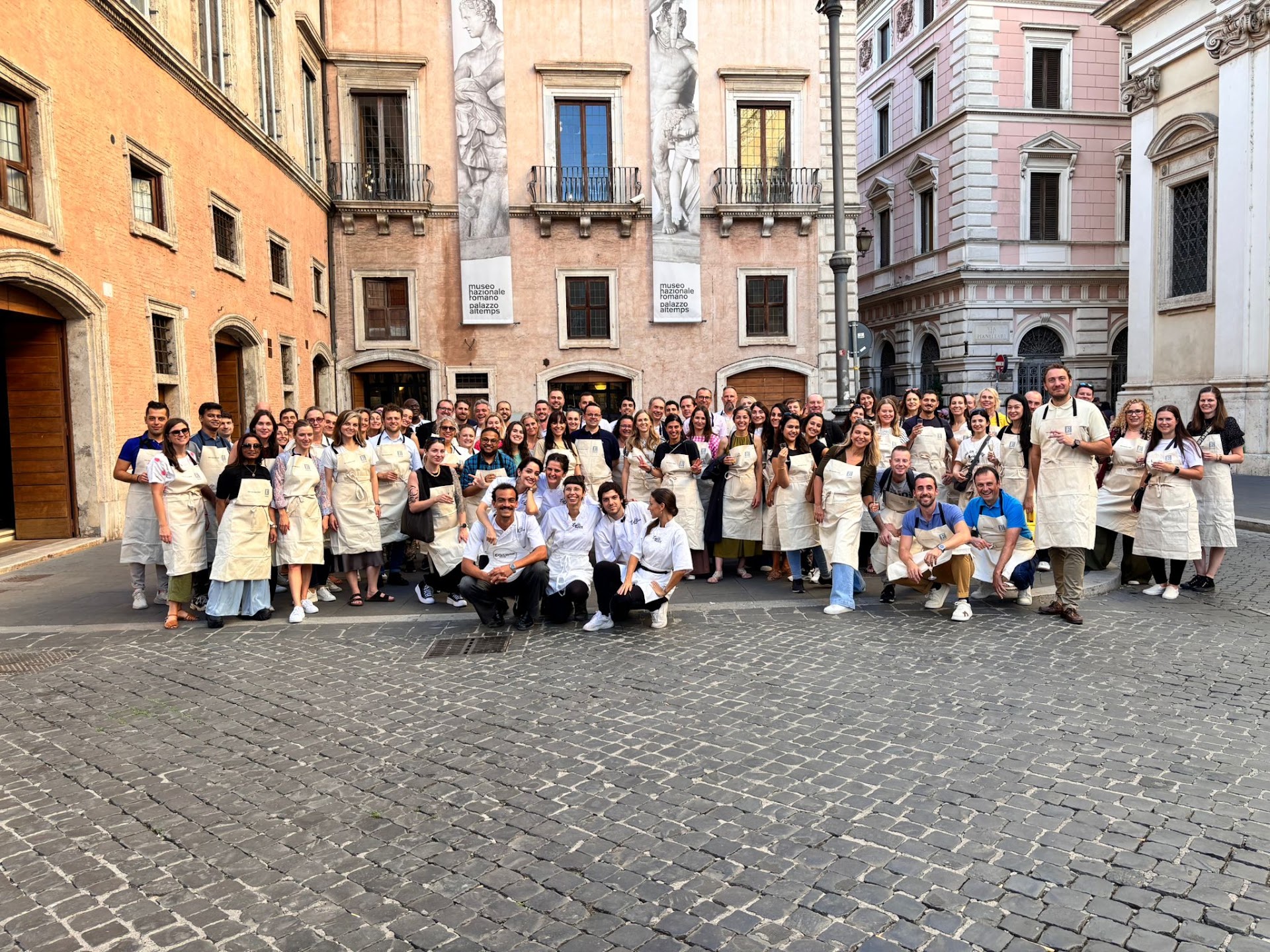


Many travelers picture Rome under a hot summer sun. However, Rome in winter is one of the best-kept secrets of the Eternal City. The crowds are thinner, the light is soft and golden, and the food becomes warmer, richer and more comforting.
In this guide, we share what to expect from the weather, what to do, what to eat and how to make the most of a winter trip to Rome. As a result, you will see the city the way Romans live it from December to February.
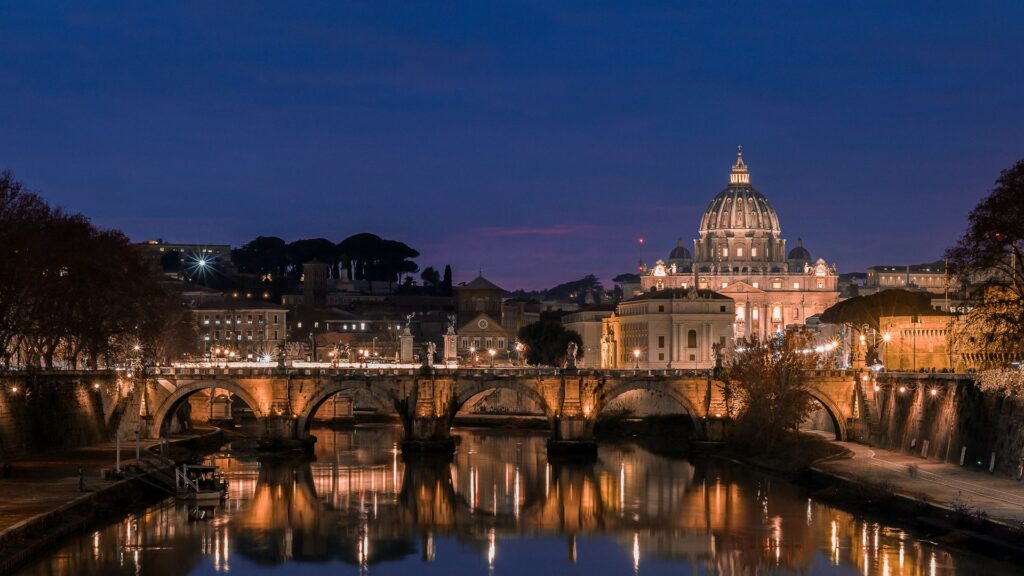
Why Visit Rome in Winter?
First of all, winter is low season in Rome, apart from the Christmas holidays. This means shorter lines at the Colosseum and the Vatican Museums. It also means better prices for hotels and flights, especially in January and February.
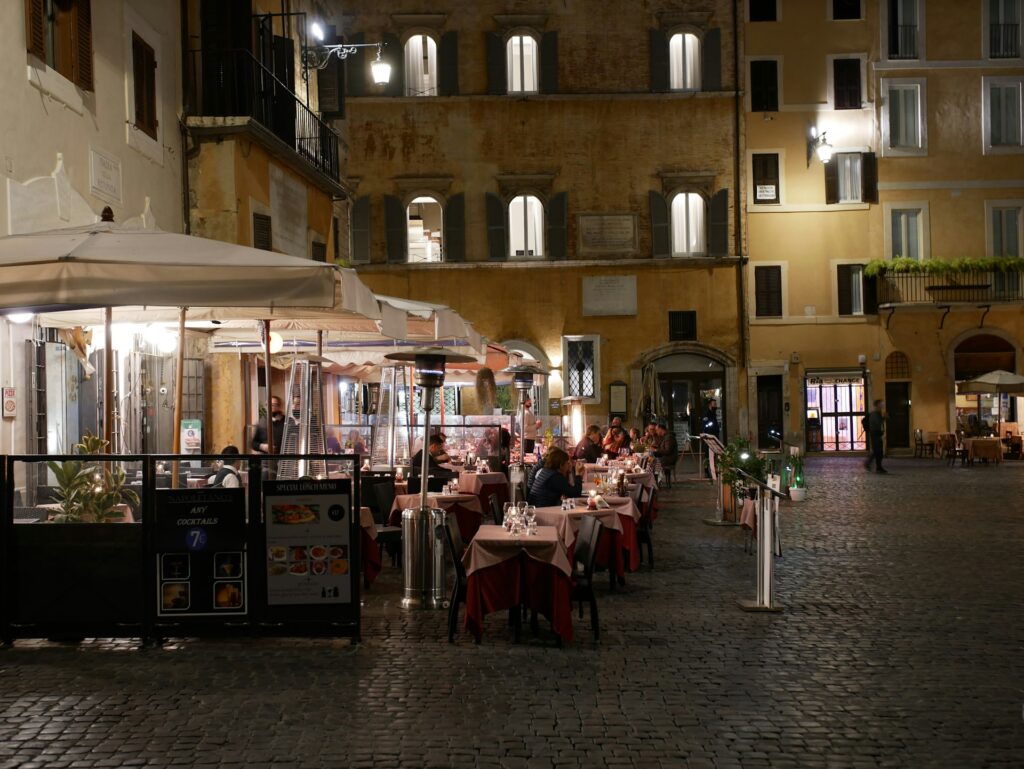
Secondly, the city feels more authentic. Romans fill the trattorias, the cafés and the markets, while tourists are fewer. Therefore, it is the perfect moment to slow down and enjoy the real rhythm of daily life.
Finally, the season brings unique traditions. Christmas lights, nativity scenes, the Befana and New Year’s Eve make every week of the season special.
Weather in Rome in Winter: What to Expect
The good news is that winters in Rome are mild. Daytime temperatures usually range between 10°C and 15°C (50–59°F). At night, they often drop to around 3–6°C (37–43°F).
Snow is very rare, but rain is common, especially in November and December. On the other hand, you will also enjoy many crisp, sunny days with a bright blue sky.
Here is what we suggest you pack:
- A warm coat and a scarf for the evenings
- Comfortable, waterproof shoes for the cobblestones
- A small umbrella
- Layers, because churches and museums can be warm inside
Things to Do in Rome in Winter
Walk Through the Historic Center
Winter is ideal for long walks. In fact, the cool air makes it easy to explore Piazza Navona, the Pantheon, the Trevi Fountain and the Spanish Steps on foot. In the late afternoon, the sunset paints the domes in pink and orange.
If you want to go beyond the usual spots, read our guide to the other side of Rome.
Enjoy Christmas Magic and Markets
From early December, the city lights up. Streets like Via del Corso and Via Condotti are decorated, and nativity scenes appear in churches and squares. Meanwhile, the famous Christmas market usually returns to Piazza Navona.
Discover more in our articles about Christmas in Rome and the Christmas markets in Rome.
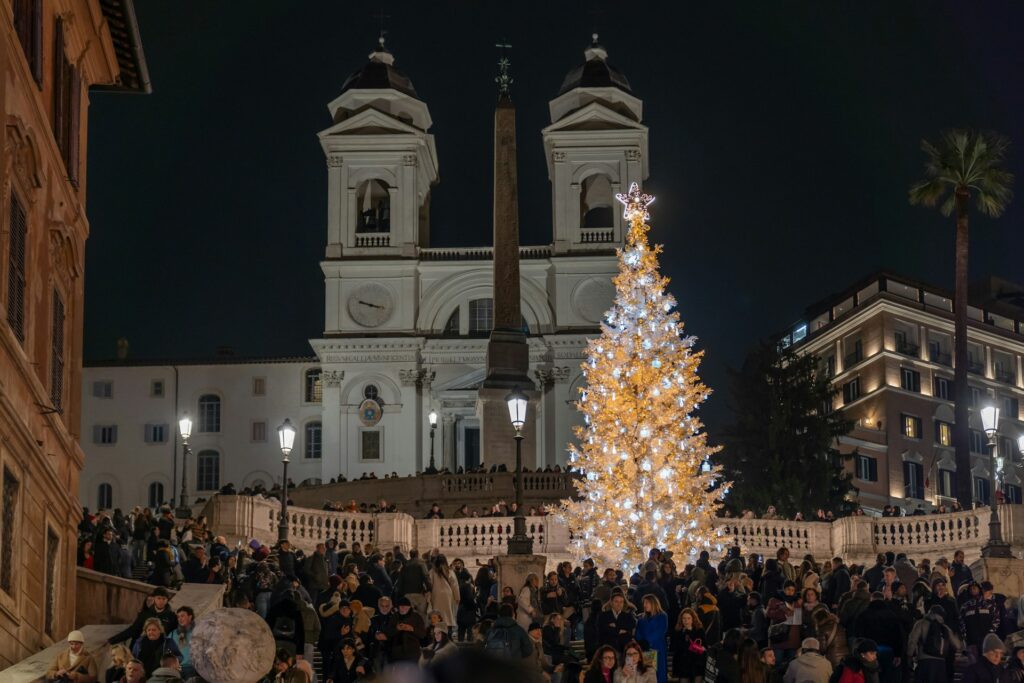
Celebrate New Year’s Eve and the Befana
New Year’s Eve in Rome is lively and full of music. For a special night, you can join our private New Year cooking gourmet dinner with music.
A few days later, on January 6, Italians celebrate the Epiphany. According to tradition, an old woman flies on a broom and brings sweets to children. Learn more about the Befana.
Explore Museums on Rainy Days
When it rains, Rome still has a lot to offer. For example, the Vatican Museums, the Capitoline Museums and Galleria Borghese are perfect for a cozy day indoors. Remember to book in advance, because some museums sell out even in low season.
For updated opening times and events, check the official tourism website of Turismo Roma.
What to Eat in Rome in Winter
Roman cuisine changes with the seasons. In winter, dishes become hearty, warm and full of flavor. These are the ones you should not miss.
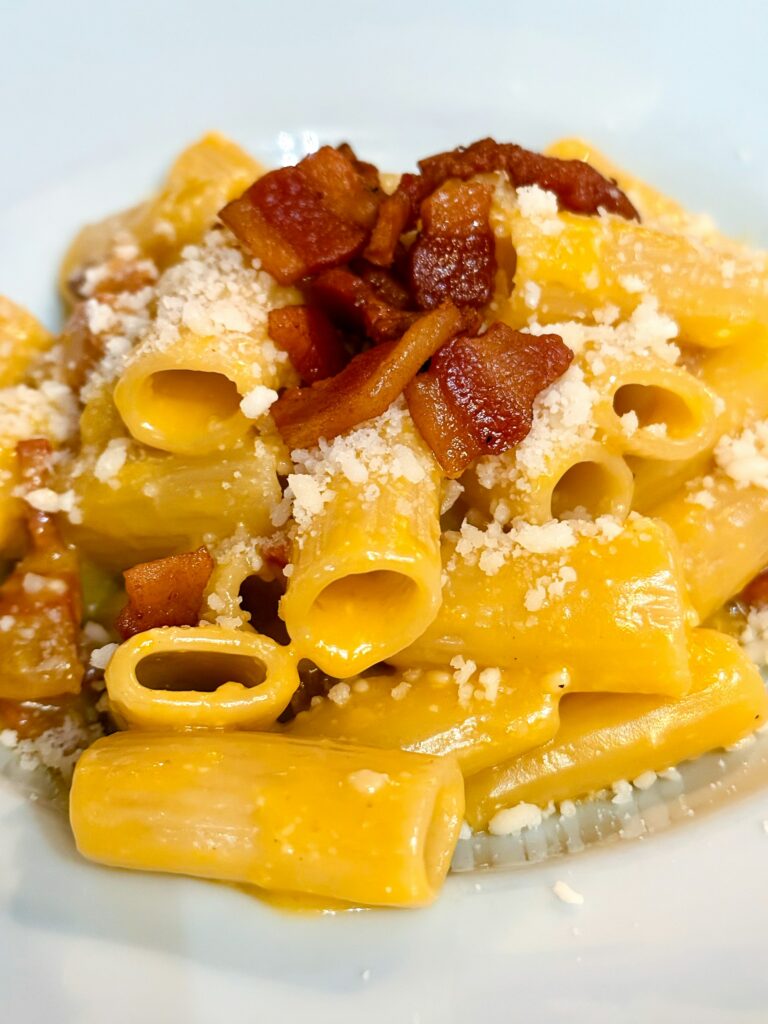
The Four Roman Pastas
Carbonara, cacio e pepe, amatriciana and gricia are comforting all year round. Yet they taste even better on a cold evening. If you want to try them at home, follow our recipes for carbonara and cacio e pepe.
Seasonal Vegetables: Puntarelle and Artichokes
Puntarelle are a crunchy winter chicory served with a dressing of anchovies, garlic and vinegar. You will find them in almost every trattoria from late autumn.
Towards the end of winter, Roman artichokes arrive in the markets. Try them fried in the Jewish Ghetto as carciofi alla giudia, or slowly cooked “alla romana”.
Street Food and Sweet Treats
On cold afternoons, follow the smell of roasted chestnuts sold on street corners. In addition, a thick Italian hot chocolate is the perfect break between two sights. During the holidays, do not forget panettone and pandoro.
For a full overview, read what to eat in Rome like a local.
A Cooking Class: The Best Indoor Experience in Rome in Winter
When the weather is cold or rainy, there is nothing better than a warm kitchen. That is why a cooking class is one of the most loved activities for travelers who visit Rome in winter.
At Eat and Walk Italy, our classes take place inside a real Roman restaurant, just steps from Piazza Navona. A local chef guides you while you knead, roll and shape your pasta by hand. Then you sit down and enjoy what you made, with a glass of Italian wine.
Here are some of our favorite winter experiences:
- Fettuccine, Ravioli and Tiramisù 3 in 1 Cooking Class, our most complete class
- Pizza Making Class in Rome, with tiramisù for dessert
- Spritz and Pasta Making in Piazza Navona, perfect for an early evening
- Trastevere Evening Food Tour, to taste the city after sunset
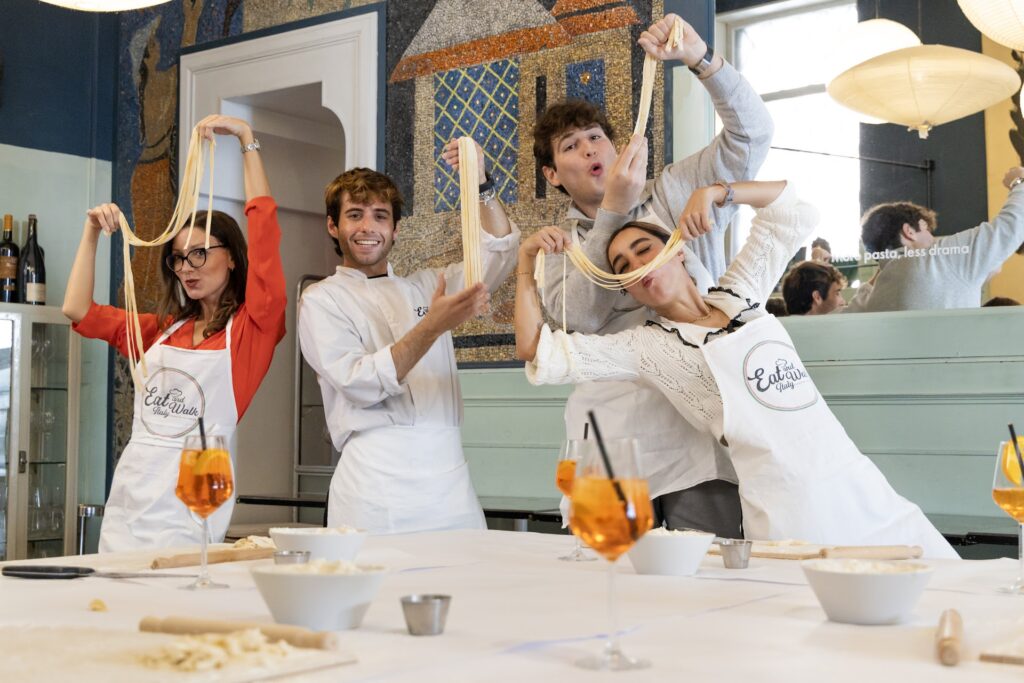
Looking for a Christmas gift? A cooking class in Rome is a present that turns into a memory for life.
Tips for Planning Your Trip to Rome in Winter
- Book early for the holidays: from December 8 to January 6, hotels and classes fill up quickly.
- Plan around the daylight: the sun sets around 5 pm, so start your sightseeing early.
- Check holiday closures: many shops and some museums close on December 25 and January 1.
- Keep evenings for food: a long dinner or a food tour is the best way to end a winter day.
Only have a short time? Our Rome in 2 days itinerary works very well in winter too.
Conclusion
In short, Rome in winter is calm, warm-hearted and delicious. You can walk without crowds, discover old traditions and enjoy the most comforting dishes of Roman cuisine.
So pack your scarf, bring your appetite and book your cooking class in Rome. We will be waiting for you in the kitchen, with an apron and a glass of wine.
Related post