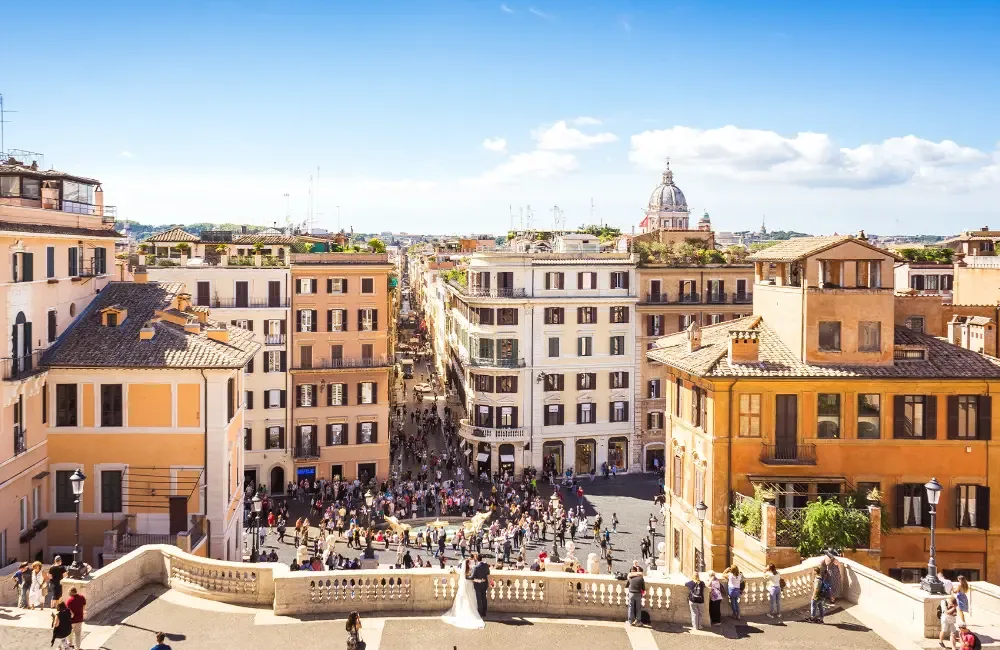


Roman cuisine, a success story. Nestled in the heart of Italy, Rome is not just a city of unparalleled historical significance but also a melting pot of culinary traditions that have shaped its food culture for centuries. The cuisine of Rome is characterized by its simplicity, quality ingredients, and deep-rooted history, offering a gastronomic journey that tells the story of Rome’s past, from the era of empires to the bustling metropolis it is today.
The roots of Romes’ gastronomy
The foundation of this cuisine lies in its ancient origins, where the meals reflected a civilization that valued the bounty of their land and sea. Ancient inhabitants of Rome laid the groundwork for what would evolve into classic Roman dishes. Emphasizing grains, legumes, vegetables, and meats. The famous banquets, while signifying opulence, also showcased the culinary expertise of combining flavors and textures, an art that people have refined over millennia.
From the empire to the table: a culinary evolution
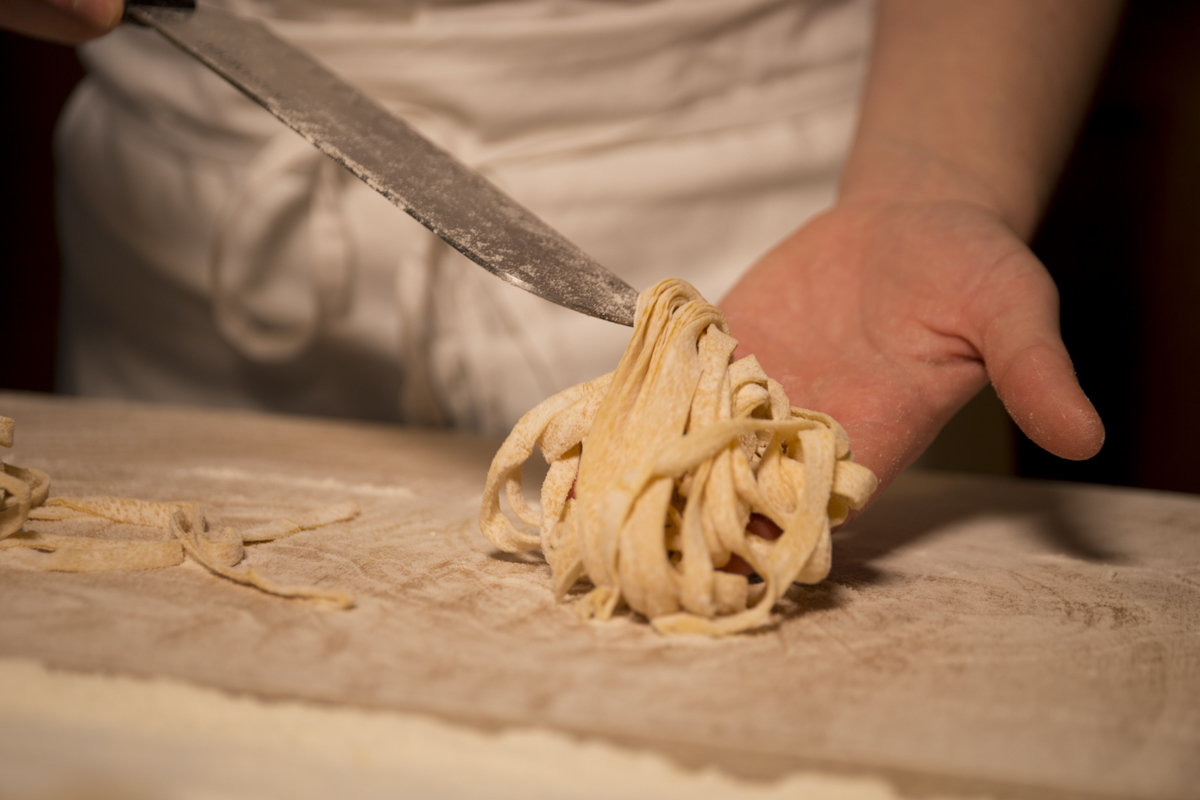
As Rome expanded its empire, it absorbed culinary influences from across the Mediterranean. Additionally, integrating ingredients like spices, herbs, and new cooking methods into its repertoire. This period of culinary assimilation contributed to the rich tapestry of flavors and techniques that define Roman cuisine today. Moreover, the Renaissance period brought a renewed interest in gastronomy across Italy, including Rome. People celebrated culinary arts, leading to refined dishes and innovative recipes. These balanced rich traditions with new influences. Furthermore, iconic Roman dishes like “Carbonara” and “Amatriciana” showcase pasta’s glory. Additionally, recipes passed down generations tell Roman stories. Furthermore, vegetable-based dishes like carciofi alla romana emphasize simplicity and flavor, reflecting Roman dedication.
Historical figures of Roman cuisine
The annals of Roman cuisine are deeply intertwined with the city’s rich tapestry of history, where emperors, consuls, and notable figures have played pivotal roles in shaping its culinary landscape. Through their preferences, policies, and personal lives, these individuals contributed significantly to the evolution of Roman gastronomy, leaving an indelible mark that persists in modern Roman dishes.
Gaius Julius Caesar: a conduit of culinary expansion
Julius Caesar, one of Rome’s most illustrious leaders, played a crucial role in expanding the Roman Republic’s territories, which inadvertently led to the introduction of new foodstuffs and culinary techniques into Roman cuisine. The conquests of Gaul, for instance, introduced Romans to new types of cheese and wine-making techniques, enriching the Roman table.
Apicius: the gourmet of ancient Rome
Apicius, a wealthy Roman gourmet from the 1st century AD, often associated with the oldest collection of Roman recipes, is not an emperor or consul but equally significant. His pursuit of culinary excellence and his extravagant spending on feasts embody the epicurean delights of Roman cuisine. The cookbook “De Re Coquinaria,” attributed to him, provides a glimpse into the sophisticated dining habits of ancient Rome, featuring dishes that were enjoyed by the elite.
Emperor Augustus: the symbol of Roman simplicity
Augustus, Rome’s first emperor, lived modestly, unlike his successors. He preferred simple, wholesome meals, reflecting Roman values of frugality. This emphasis on simplicity persists in Roman cuisine.
Marcus Gavius Apicius: a culinary innovator of Roman cuisine
Another notable figure named Apicius was Marcus Gavius Apicius, a Roman gourmet of the 1st century AD, distinct from the earlier Apicius. He gained renown for his extravagant lifestyle and passion for food. Additionally, many credit him with influencing the development of Roman gastronomy. He is associated with luxurious ingredients and innovative dishes. Furthermore, many of these dishes laid the groundwork for the future of Roman and Italian cuisine.
Lucullus: the architect of the feast
Lucius Licinius Lucullus, a Roman general and consul, was famed for his lavish banquets. He introduced a level of sophistication and extravagance previously unseen in Rome. His gardens, the Horti Lucullani, became the source of exotic fruits and vegetables, which he used to create elaborate dishes. The term “Lucullan” has since become synonymous with opulence in dining, reflecting his impact on Roman culinary practices.
The influence of Roman women
Roman women, despite sparse documentation, played a crucial culinary role. They preserved recipes, techniques, shaping Roman society’s diet. Their contributions ensured traditional flavors’ survival, passed through generations. These figures wove Rome’s culinary heritage, enriching its identity. Their legacies inspire and shape Roman cuisine, a testament to the city’s past.
Roman cuisine today: a legacy continued
Today, the cuisine of Rome continues to thrive. In the traditional trattorias of the city and through the efforts of contemporary chefs, classic dishes represent the modern palate. This blend of tradition and innovation ensures that cuisine remains a vibrant part of Italy’s gastronomic landscape. It invites locals and travelers alike to partake in its rich history and flavors.
Moreover, Roman cuisine is more than just food; it’s a narrative woven through centuries of history, culture, and tradition. Each dish tells a story of a city that has been a crucible of civilization, offering a taste of Rome’s eternal spirit. For food lovers and history enthusiasts, delving into these dishes is not just about experiencing the flavors of the past; it’s also about understanding the essence of Rome itself.
(credits: Freepik)
Related post