

Rome isn’t just a city of history, art, and stunning architecture—it’s a gastronomic paradise, where every dish tells a story. The first courses of Roman cuisine are bold, rustic, and deeply rooted in tradition. While many travelers come to Rome eager to try Carbonara and Amatriciana, few know about the city’s ancient and forgotten pasta dishes, still served in a handful of traditional trattorias. So, grab a fork and follow me on this delicious journey through time, as we explore the true first courses of Roman cuisine, from the classics to the nearly lost recipes that only the most dedicated food lovers can still find. Let’s start with the four legendary pasta dishes that every Roman swears by. These recipes, all starring pecorino romano and guanciale (cured pork cheek), define the city’s culinary identity.
Cacio e Pepe: the purest roman dish
This is Rome in its simplest form: just pecorino romano, black pepper, and pasta (usually tonnarelli or spaghetti). It dates back to the shepherds of the roman countryside, who carried aged cheese and dried pasta as they moved with their flocks. The trick, however, lies in turning cheese and pasta water into a creamy, velvety sauce—without using butter, oil, or cream. In this way, the dish highlights the resourcefulness and simplicity of roman cuisine.
Gricia: the ancient Amatriciana without tomatoes
Before tomatoes arrived in Italy from the New World, romans and shepherds were already enjoying Pasta alla Gricia—a rich, flavorful dish made with guanciale, pecorino romano, and black pepper. It’s the oldest version of amatriciana, a dish that’s remained unchanged for centuries.
Amatriciana: Rome’s red jewel
When tomatoes became part of Italian cuisine, shepherds from Amatrice (a town in Lazio) added them to their gricia, creating the now-famous amatriciana. Traditionally made with bucatini, this dish balances the sharpness of pecorino, the richness of guanciale, and the sweetness of tomato.
Carbonara: the iconic dish of Rome
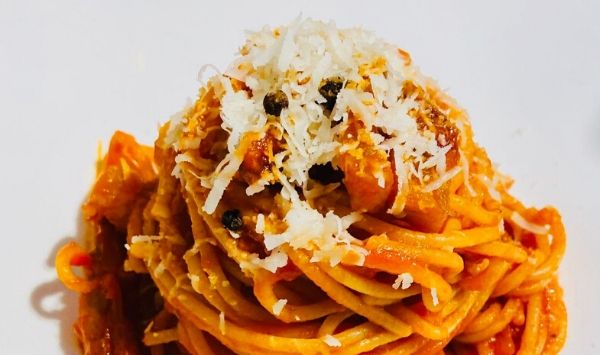
The origins of carbonara are hotly debated. Some say roman chefs adapted their recipes to American soldiers’ bacon and eggs during WWII. Others argue it existed before, evolving from gricia with eggs added. One thing is certain: the real carbonara has no cream, no onion, and no pancetta—only guanciale, eggs, Pecorino, and black pepper.
Stracciatella alla Romana: Rome’s egg drop soup
Don’t confuse it with the creamy cheese—Stracciatella alla Romana is a broth-based egg drop soup. You whisk eggs with Pecorino, nutmeg, and lemon zest, then cook them in boiling chicken broth. This dish was a favorite at ancient Roman feasts and remains a classic served at Easter.
Minestra di ceci e castagne: a roman medieval peasant soup
This hearty, earthy soup dates back to medieval times when chickpeas and chestnuts were among the most available ingredients. It’s flavored with rosemary, garlic, and sometimes guanciale, creating a dish that’s both sweet and savory.
Fettuccine al Ragù di Coda: pasta with oxtail ragù
The famous roman dish coda alla vaccinara (oxtail braised in tomato sauce) usually serves as a main course, but in traditional kitchens, cooks use the extra sauce as a rich, meaty pasta sauce. The result? A deep, gelatinous, intensely flavorful ragù that pairs perfectly with fresh fettuccine.
Rigatoni con la Pajata: roman’s most controversial dish
One of the most unique and controversial roman dishes, Pajata features the intestines of unweaned veal, which contain milk that thickens into a creamy sauce when cooked. Cooks slow-cook it in tomato sauce and serve it with rigatoni. This dish represents an icon of Quinto Quarto (fifth quarter) cuisine, where Romans use every part of the animal.
Riso co’ le quaglie: the rice dish of roman nobility
Before pasta, rice was a prized grain in roman cuisine, often reserved for the wealthy. Riso co’ le Quaglie was a luxurious dish featuring slow-cooked risotto-style rice, enriched with roasted quail, white wine, and saffron.
Tonnarelli con bottarga: Rome’s answer to seafood pasta
Bottarga (salted, cured fish roe) was a delicacy even in ancient Rome. Today, tonnarelli con bottarga is a simple yet luxurious dish where fresh tonnarelli (square-shaped spaghetti) mixes with grated bottarga, olive oil, garlic, and lemon zest.
Spaghetti con alici e pecorino: the roman surf-and-turf
This unusual but incredibly flavorful dish combines the salty richness of anchovies with the sharp tang of pecorino romano. Historically, it became a favorite of fishermen and traders, who relied on preserved anchovies to enrich their pasta. As a result, the dish reflects both resourcefulness and the distinct flavors of roman cuisine.
(fonte immagine: Freepik)
Related post