


Roman cuisine has always been a perfect blend of tradition, authenticity, and unmistakable flavors. Its strength lies in simplicity, using humble yet high-quality ingredients rooted in peasant culture. Because of these qualities, Roman cuisine is now considered one of the gems of Italian gastronomy. Among typical Roman dishes, pasta holds a prominent place. The recipes have been passed down for centuries, keeping alive a tradition that continues to delight taste buds worldwide. In this article, we will explore some of the most representative recipes and the intriguing stories that make them unique.
Carbonara: a symbol of typical roman dishes
Among typical Roman dishes, carbonara undoubtedly holds a place of honor. This iconic dish perfectly showcases how Roman cuisine combines just a few simple ingredients. The main ingredients are guanciale, eggs, Pecorino Romano, and pepper. Despite the recipe’s simplicity, following the key steps is crucial for the best result. Avoid common mistakes like adding cream, which has no place in Roman tradition. Like many Roman dishes, carbonara has a fascinating history. Its origins are still debated today. Some say it was born after World War II when local ingredients met American supplies like eggs and bacon. However, the recipe quickly spread, becoming one of the world’s most recognized symbols of Roman cuisine. A crucial aspect of perfect carbonara lies in technique. The secret is to balance the ingredients and achieve a creamy texture without overcooking the egg.
Cacio e Pepe: simplicity in a perfect recipe
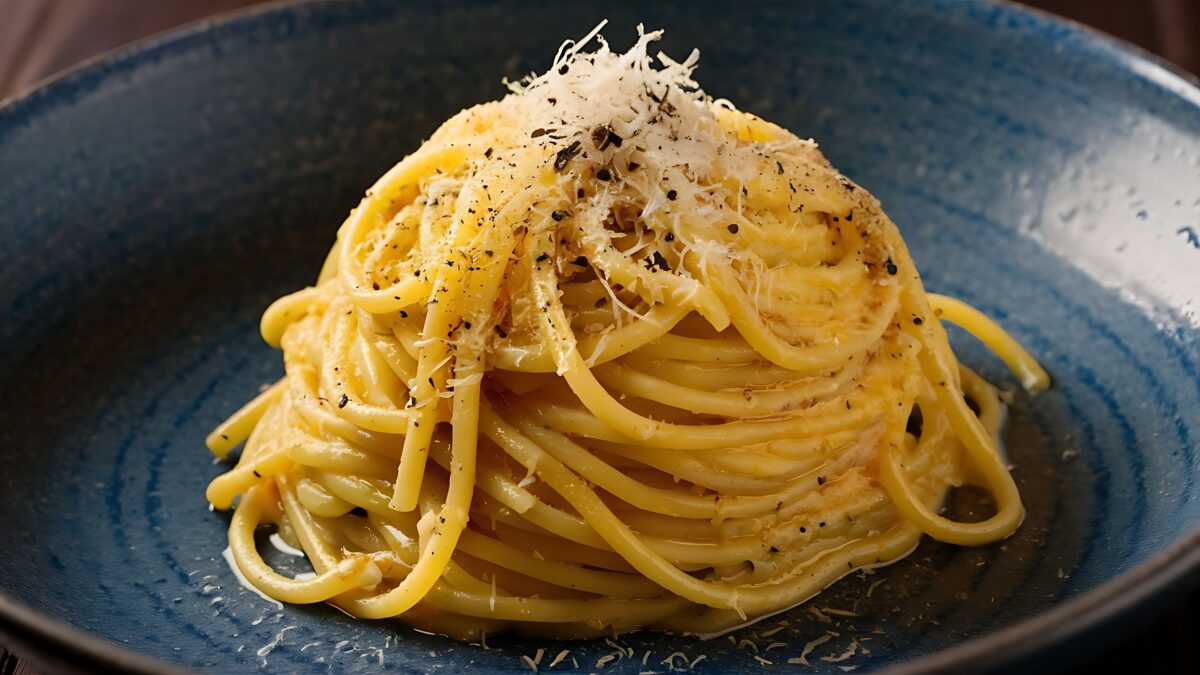
With just two ingredients, Pecorino Romano and black pepper, cacio e pepe stands out among typical Roman dishes for its simplicity and, at the same time, its complexity. This dish has roots in shepherd traditions, who carried long-lasting foods during their travels. Today, the most beloved version uses tonnarelli, a square-shaped long pasta, often paired with cacio e pepe for its ability to hold the sauce. But the secret to a perfect cacio e pepe lies in the tossing technique. Only a precise method creates a smooth, lump-free cream that highlights the intense flavors of Pecorino and pepper.
Amatriciana: balancing tradition and innovation
Amatriciana is one of the most beloved typical Roman dishes, although its origins trace back to the village of Amatrice. Key ingredients like guanciale, tomato, and Pecorino Romano combine to create a rich, flavorful dish. The traditional recipe calls for slow-cooked guanciale and high-quality peeled tomatoes, resulting in a sauce with deep, intense flavor. Moreover, while the classic version doesn’t include onions, there’s frequent debate in Rome about adding them for a hint of sweetness. This ongoing discussion shows how amatriciana, while staying true to tradition, continues to evolve. It proves that typical Roman dishes can maintain authenticity while adapting to modern tastes.
Typical roman dishes: a journey of tradition and passion
Roman cuisine offers more than intense flavors; it embodies a rich cultural heritage. Each typical roman dish weaves a narrative of both tradition and modernity, offering a glimpse of Rome’s history through its distinctive tastes. To prepare a Roman dish is to step into a world of dedication, where precision and passion come together, and every step plays a vital role. If you’re eager to dive into the secrets of Roman cooking and master the art of its most iconic dishes, our cooking classes are the perfect opportunity. You’ll learn the craft of fresh pasta making, along with other classic recipes, giving you a hands-on experience that brings the essence of Roman tradition right into your kitchen. Sign up today and become part of this timeless culinary story.
(credits: Freepik)
Related post


