

Rome moves to its own rhythm—unhurried, majestic, deeply human. In 2025, this rhythm feels more vibrant than ever. Restoration projects across the city have unveiled new wonders, from ancient hypogea to reopened rooftops with sweeping views. Fewer crowds than in pre-pandemic years have restored a sense of intimacy, making this the perfect time to experience the Eternal City without compromise. Four days give you the chance not only to see Rome, but to live it fully—from its imperial stones to its boiling saucepans.
Day 1: between empire and everyday Rome
To begin, start your journey in the shadow of the Colosseum. If possible, arrive early, as the city stretches awake, and enter a monument that still pulses with the memory of roars and blood. Notably, newly opened sections in 2025 allow you to descend into the underground chambers where gladiators once waited in darkness. From there, follow the ancient paving stones toward the Roman Forum, where silence and ruins tell the story of a republic’s rise and fall. Then, continue upward to Palatine Hill and let the city’s foundation speak through its layered soil and myth.
As the day unfolds, and the heat of the sun begins to settle in, leave behind the grandeur and slip into the shade of a quieter neighborhood. Surprisingly, just a few streets away, everyday Rome unfolds—intimate, textured, and alive. Here, local artisans work behind open doors, and lunch is more ritual than meal. So, slow down and savor something quintessentially Roman.
Later, in the evening, cross the river as the golden light begins its descent. The narrow alleys beyond the Tiber glow with a warm, familiar charm. All around, there’s music in the windows, voices rising like steam. Instead of planning, walk without a map, following scent and sound. Eventually, find a table in a hidden square. Finally, let the night settle around you with wine, laughter, and the comfort of being nowhere else.
Day 2: power, faith, and baroque splendor
The day begins in another world—inside the Vatican. Booking early entry means silence greets you in the Sistine Chapel. The frescoes seem to breathe as light filters in, and for a few fleeting moments, you’re alone with genius. Move slowly through the Raphael Rooms and step out into the immensity of St. Peter’s Basilica. If you’re able, climb to the top. Rome spreads beneath you, endless and calm. As the city begins to hum, walk toward the Tiber again. The pace here is softer, the streets narrower. For lunch, find a quiet spot with shade and something handmade—gnocchi, perhaps, or something from a wood-fired oven.
Later, follow the curve of the river to Castel Sant’Angelo. This former mausoleum and fortress, reopened with expanded rooftop access, offers one of the best views in Rome. At sunset, the bridge below glows and Bernini’s angels seem to shift in the fading light. Keep walking. Baroque Rome awaits—piazzas filled with fountains, palaces, and movement. You’ll end the day here, among street performers and artists, sipping something bitter or sweet as the domes around you begin to sparkle.
Day 3: art, identity, and the taste of Rome
Begin the morning inside a Roman villa frozen in time. The Galleria Borghese remains one of the most emotionally charged art collections in the world, and in 2025, improved lighting reveals the drama of Bernini and Caravaggio like never before. Step outside into the gardens and wander without purpose. Let nature guide you to the Pincian Terrace, where Rome stretches to the horizon. From here, it’s time to shift from seeing to doing. In the early afternoon, join a cooking class designed not only to teach but to immerse.
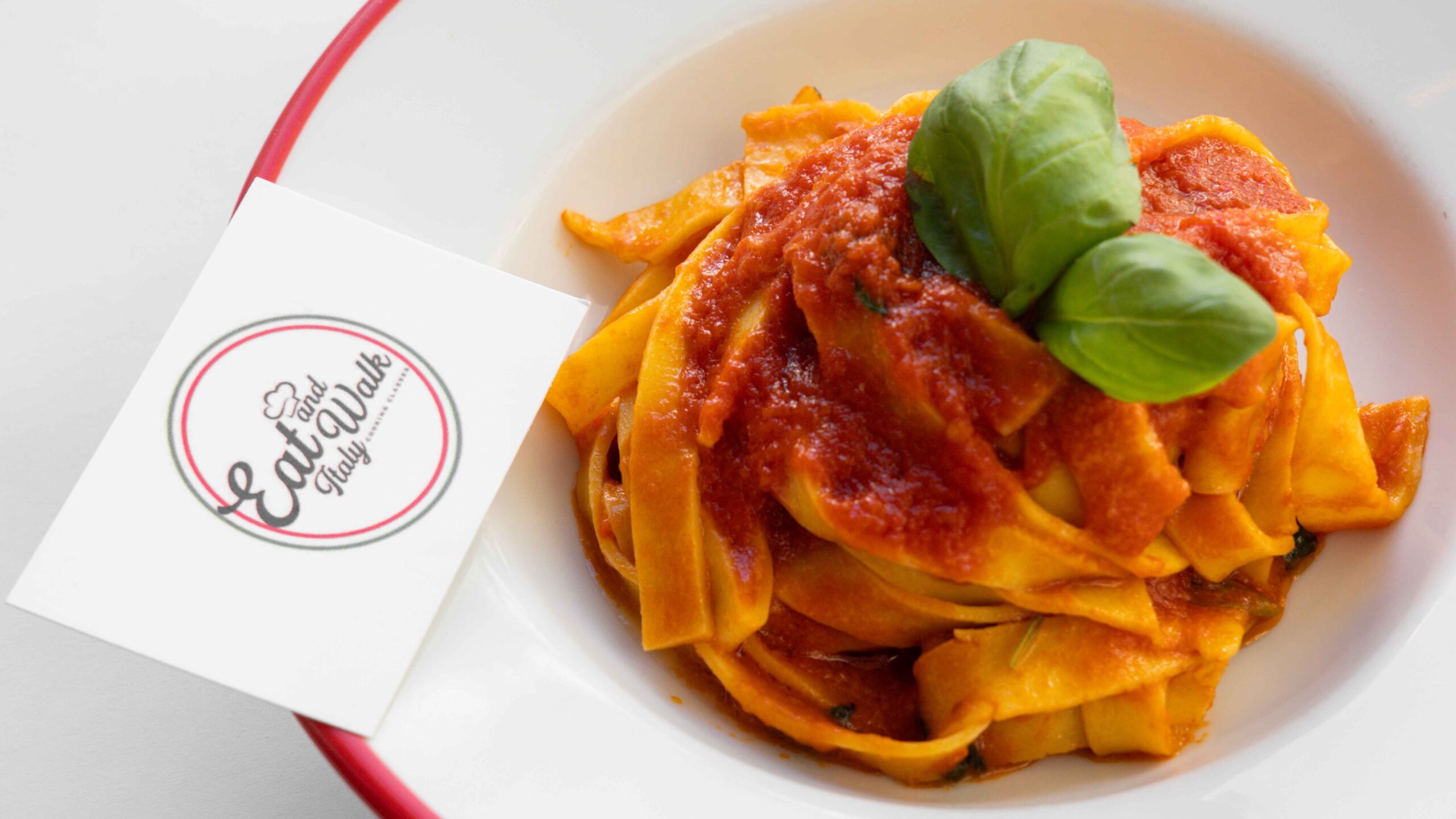
Inside a historic space near the city’s heart, you’ll roll out dough, shape fresh pasta, and layer the flavors of a traditional Roman dish. Alongside fellow travelers and local chefs, you’ll knead and laugh and taste. It’s not a performance—it’s participation. And at the end, you’ll sit together to share what you’ve created, paired with wine and conversation.
With your senses still alive, continue into Testaccio—a neighborhood where Rome’s working-class soul remains strong. Wander through former industrial spaces now home to art and culture. New exhibits, murals, and food stalls give this district a raw, evolving character. As night falls, find your way to the banks of the Tiber. Watch the lights ripple on the water, glass in hand, appetite restored.

Day 4: secrets, silence, and a proper goodbye
The final day invites a slower pace. Begin on the Aventine Hill, where the Orange Garden offers space to breathe and reflect. From its edge, the city opens quietly, without needing to impress. A short walk leads to a nondescript door and the famed keyhole of the Knights of Malta. Look through it. That perfect line of symmetry—it feels almost unreal, like something staged just for you. Then descend into the Jewish Ghetto, where history moves differently. The stones carry weight. The shadows hold stories. Walk without hurry, visiting what calls to you—a museum, a market, a corner of quiet. This part of Rome doesn’t demand attention. It offers depth to those willing to feel it.
In the afternoon, return to the Centro Storico. Let instinct guide your final hours. Visit the Trevi Fountain, not to tick it off a list, but to toss a coin with purpose. Not for a return, but in gratitude. Climb the Spanish Steps. Sit. Watch. The city doesn’t ask you to do anything. It only asks that you notice. And when it’s time for that final meal, don’t look for perfection. Look for presence. Somewhere with a view of the Colosseum. Somewhere where the wine is poured slowly. Where the carbonara is made with care. Let Rome say goodbye the way it does best—quietly, beautifully, and on its own terms.
Appian way tour by Eat and Walk Italy
Rome isn’t just a city of monuments—it’s a living mosaic of eras, flavors, and forgotten paths. For travelers who want to experience a quieter, deeper side of the Eternal City, the Private Ape Calessino Tour on the Appian Way offers an unforgettable half-day escape that blends history, nature, and traditional Roman food in a way few tours can match. Departing from the heart of Rome, this experience takes place aboard the Piaggio Ape Calessino, a classic three-wheeled vehicle that feels more like a time machine than a ride.
As you cruise gently out of the city and onto the Via Appia Antica, one of the oldest roads in Europe, the mood changes. The noise fades. The cobblestones echo under your wheels. All around you stretch Roman aqueducts, cypress-lined trails, ancient mausoleums, and open countryside that seems untouched by time. It’s a side of Rome most tourists never reach—and precisely for that reason, it feels utterly authentic.
Taste roman tradition along the way
But the beauty of this tour isn’t just what you see—it’s what you taste. Along the route, you’ll stop for a series of genuine local food tastings, carefully selected to showcase Lazio’s rural culinary heritage. For instance, you might sample a slice of sharp pecorino cheese, or savor hand-cut salumi cured just outside the city. In addition, rustic bread, olive oil, and regional wine round out the experience. Ultimately, each tasting is more than a snack—it’s a story about Rome’s countryside, its seasons, and the people who still live by its traditions.
The tour lasts about three hours and is designed to be private and personal, with a local guide who not only drives but shares anecdotes and insight along the way. Whether you’re visiting Rome for the first time or returning to explore it more deeply, this experience connects you with the land, the flavors, and the slower rhythm of life just beyond the city walls. Therefore, booking is essential as spots are limited and this tour is in high demand. In conclusion, for those seeking something meaningful, immersive, and unmistakably Roman, this is more than a detour. Indeed, it’s a revelation.
(credits: Freepik)
Related post