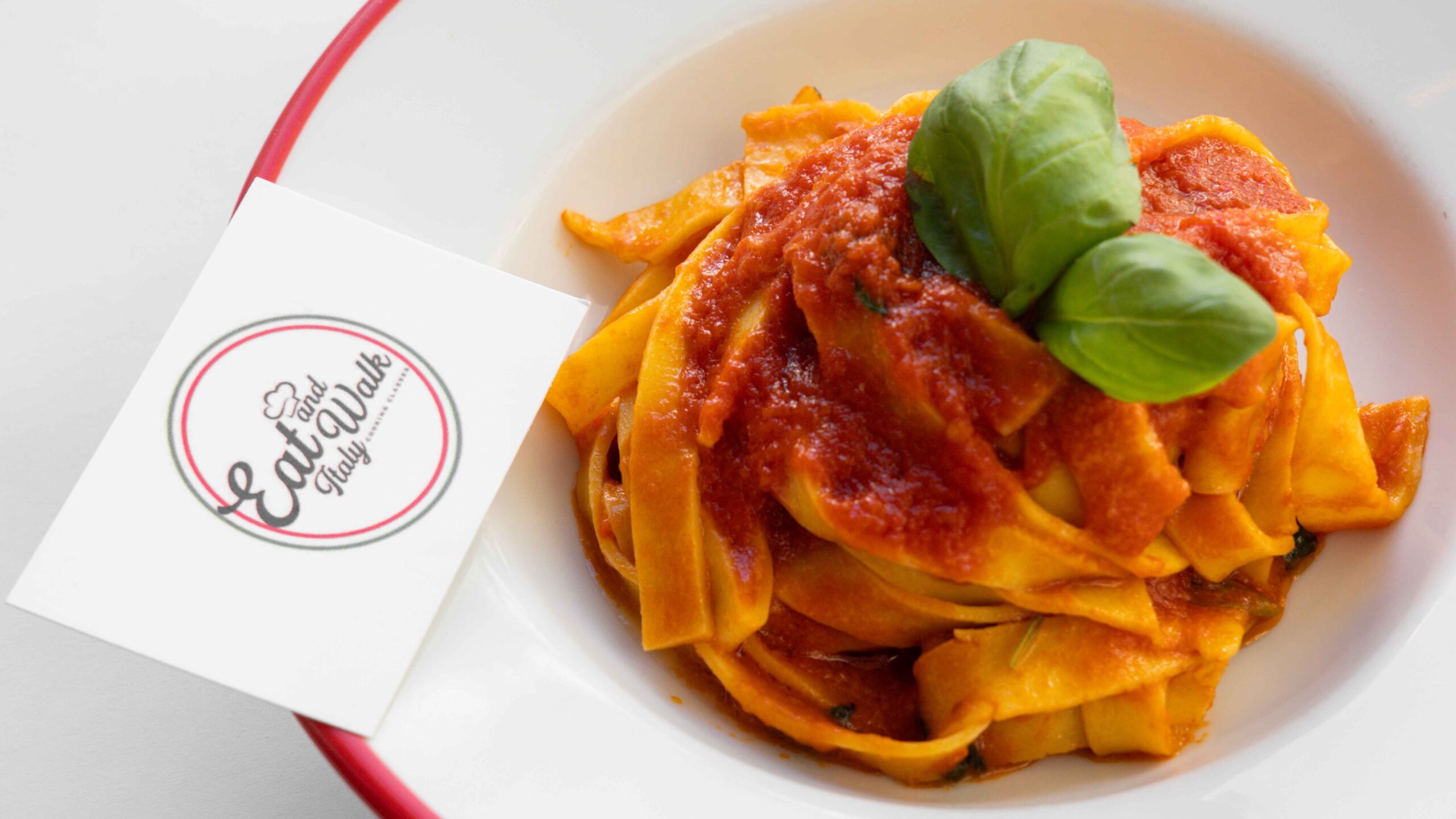


Rome doesn’t just feed you. It teaches you how to taste. In 2025, the Eternal City invites you to experience its cuisine beyond the plate. It’s not about fancy restaurants or Michelin stars—it’s about the stories behind every dish, the hands that prepare it, and the streets that inspired it. If you’re traveling to Rome this year, prepare for something deeper. This guide leads you into markets, kitchens, and trattorias. It shows you where to eat, but also how to cook—just like a Roman.
Start with the streets: taste the city of Rome
Before you tie an apron, grab a fork. After all, Rome’s street food scene remains the perfect introduction to its bold, rustic flavors. To begin, head to Trastevere, where the aroma of fried artichokes and porchetta instantly pulls you toward small storefronts and hidden bakeries. There, try supplì—fried rice balls with molten mozzarella centers—and, next, grab a slice of pizza al taglio, Roman-style, crisp and served by weight. Then make your way to Testaccio, the original working-class heart of Rome, where locals still gather at the market for a quick bite. In particular, look for stalls selling trapizzini, pocket pizzas filled with everything from oxtail stew to eggplant parmigiana. In the end, every bite reflects the flavors of la cucina romana povera—humble, but unforgettable.
Join a cooking class and learn the real roman recipes
For a deeper dive into Rome’s food culture, roll up your sleeves. Cooking classes in 2025 go beyond technique. They offer connection, history, and a little bit of magic. Cook with Eat and Walk Italy near Piazza Navona, one of the most authentic experiences in town. Our pasta making classes take place in a professional kitchen just steps from Piazza Navona, an intimate space where tradition meets hands-on fun. You’ll make fettuccine or tonnarelli from scratch, cut ravioli by hand, and choose your sauce: cacio e pepe, carbonara, or amatriciana. As you cook, local chefs share the history of each dish—where it comes from, who made it famous, and how Romans still make it at home. The class ends with homemade tiramisù, built layer by layer as you sip wine and laugh with new friends. It’s not just a recipe—it’s a Roman memory.

Shop like a local: market tours and cooking experiences
Many classes now start at the market. It’s the best way to understand Italian food culture: fresh, seasonal, and deeply local. At Campo de’ Fiori, chefs guide you through choosing produce, pecorino, and the perfect pasta flour. You’ll learn how to tell the difference between real Parmigiano and cheap imitations, or how to choose tomatoes that taste like sunshine. Back in the kitchen, everything comes to life. You’ll cook a full Roman meal—antipasti, fresh pasta, secondi, dolce—and eat it all, glass of wine in hand. If you want a quiet escape from the city’s chaos, head to the hills of Lazio.
Many farms near Rome now offer multi-day culinary retreats. These experiences pair cooking classes with vineyard tours, olive oil tastings, and slow lunches under the trees. You’ll cook with local women who’ve never written a recipe down. You’ll harvest herbs from the garden. And at night, you’ll eat by candlelight, surrounded by silence and stars.
Why Rome 2025 is the year to travel for food
Indeed, Rome in 2025 offers more than just food. It offers a rediscovery of the senses. Here, every meal becomes an act of memory, a way of honoring those who stirred pots centuries ago, and those who still wake up before dawn to knead, salt, roast, and create. Furthermore, the city teaches us that cuisine is not static. It evolves with the people who live it, and in Rome, that evolution carries the weight of empire, exile, faith, and reinvention. Moreover, dining in Rome today means witnessing the full spectrum of human creativity.
Equally important, food here reconnects us to rhythm. Unlike the rushed meals of other capitals, Roman cuisine demands time. Time to wait for the puntarelle to soak. Time to talk between courses or to a glass of Cesanese as the sun folds itself into the rooftops of Trastevere. That pace isn’t laziness — it’s legacy. Therefore, to walk through Rome in 2025 is to taste history without nostalgia. It’s to feel tradition moving forward, not clinging to what was, but inviting us to imagine what could be. This city feeds not only the appetite but also the imagination — and that, perhaps, is the most delicious reason to come.
(credits: Freepik)
Related post