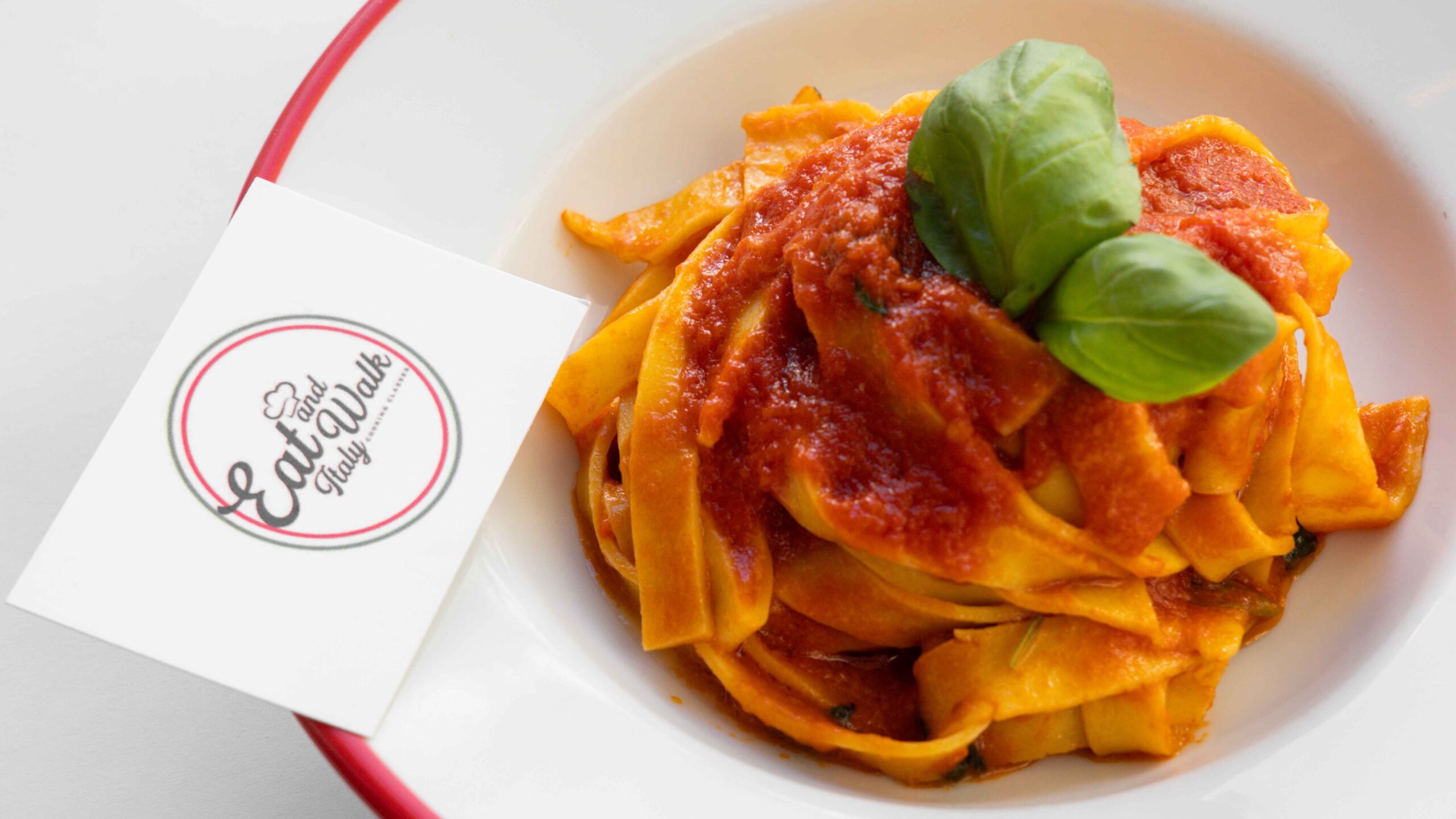


Pasta is more than just a staple of Italian cuisine—it’s a symbol of heritage, family, and tradition. From its ancient origins to modern-day kitchens, pasta has evolved while maintaining its deep connection to Italy’s cultural identity. Whether handcrafted at home or produced on a large scale, pasta remains a cornerstone of Italian gastronomy, celebrated around the world.
The origins of pasta: myth vs history
The history of pasta is shrouded in myths and legends. One of the most famous theories suggests that Marco Polo introduced pasta to Italy from China in the 13th century. However, historical evidence proves that pasta existed in Italy long before Polo’s travels. Ancient Roman texts mention “laganum,” a type of flat pasta similar to modern-day lasagna. Both Horace and Cicero referenced it in their writings, indicating that pasta was already part of Roman culinary traditions. During antiquity, pasta was made using wheat flour and water, consumed either fresh or dried. By the Middle Ages, Southern Italy became a hub for dried pasta production, thanks to its warm climate and ideal drying conditions.</strong> As wheat cultivation expanded, pasta became a fundamental part of the Italian diet, accessible to both the wealthy and the working class.
Homemade pasta: a tradition passed down through generations
One of the most cherished aspects of pasta is the tradition of making it by hand. Across Italy, families have preserved regional pasta-making techniques for centuries. Each area showcases unique shapes, ingredients, and methods that reflect local customs and culinary heritage. In Emilia-Romagna, people view pasta-making as an art. The region’s signature egg-based pasta, including tagliatelle, tortellini, and lasagna, requires precision and skill. Cooks roll out the dough by hand with a wooden rolling pin, or mattarello, passing down this time-honored ritual from grandmothers to grandchildren.
In Puglia, cooks shape the beloved orecchiette by hand using a simple flicking motion, creating their distinctive concave form. Made only with durum wheat flour and water, this pasta embodies the rustic simplicity of Southern Italian cuisine. Meanwhile, Campania, home to the renowned pasta di Gragnano, has perfected the art of pasta drying. The region’s unique climate and sea breezes provide the ideal conditions for producing high-quality dried pasta, which now enjoys protection under the IGP (Indicazione Geografica Protetta) designation. People around the world celebrate Gragnano pasta for its rough texture, which perfectly holds sauces.
Modern pasta: a balance between innovation and tradition
Despite technological advancements and large-scale production, pasta remains deeply tied to family traditions. Sundays in Italy are still synonymous with homemade pasta, as families gather to prepare dishes like ravioli, gnocchi, or fettuccine. These moments of togetherness reinforce pasta’s role as a bridge between generations. At the same time, pasta has successfully adapted to contemporary lifestyles. Artisanal producers continue to craft traditional pasta, while innovative chefs experiment with new ingredients and techniques. Whole wheat, gluten-free, and plant-based pasta varieties have expanded pasta’s reach beyond its traditional roots, making it accessible to diverse dietary needs.
The cultural significance of pasta
Beyond its culinary appeal, pasta carries profound cultural meaning. In Italy, serving a plate of pasta to a guest is a gesture of hospitality and warmth. It is a dish that unites people, whether at a casual family dinner or a festive holiday feast. Pasta also plays a central role in Italy’s most cherished celebrations. Cappelletti in brodo at Christmas, lasagna at Carnevale, and handmade gnocchi on special occasions highlight pasta’s presence in life’s most memorable moments. Its ability to blend tradition with modernity ensures its place in kitchens and restaurants worldwide. From a humble wooden countertop in an Italian home to the tables of Michelin-starred restaurants, pasta remains an enduring icon of Italian gastronomy. It is not just food—it is a symbol of culture, identity, and the joy of sharing a meal.

Why you have to choose Eat and Walk Italy
If you’re visiting Rome and want to dive deep into Italian food culture, learning how to make fresh pasta is a must. And there’s no better place to do it than Eat and Walk Italy. This cooking school offers an authentic, hands-on experience that goes beyond just following a recipe. Here’s why you should choose Eat and Walk Italy for your pasta-making adventure. At Eat and Walk Italy, you’ll be guided by expert Italian chefs who are passionate about traditional Roman cuisine. They don’t just teach you how to make pasta—they share insider tips, family secrets, and the cultural history behind each dish. Whether you’re a beginner or a home cook looking to refine your skills, their hands-on approach ensures you’ll master the art of pasta-making.
A personalized experience in Rome
Unlike crowded touristy cooking classes, Eat and Walk Italy offers small group sizes, ensuring you get one-on-one attention from the chef. This makes the experience more interactive, allowing you to ask questions, get hands-on assistance, and truly absorb the techniques. The location of Eat and Walk Italy’s cooking classes is right in the heart of Rome, close to iconic landmarks like the Colosseum and Piazza Navona. This means you can easily combine your pasta-making experience with sightseeing, creating a perfect day of culture, history, and food.
Eat and Walk in Rome
Eat and Walk Italy offers a variety of immersive cooking experiences in Rome. Participants can learn to craft traditional Italian dishes with local chefs. The classes combine hands-on cooking with the enjoyment of the dishes created, including iconic items like pizza, fettuccine, ravioli, and tiramisù. Whether you’re a beginner or a seasoned cook, the courses cater to all skill levels, providing everything from fresh ingredients to expert guidance. The cooking lessons are designed to be enjoyable and informative, incorporating the rich culinary heritage of Italy. Each class culminates in a delicious meal paired with local wines, providing a complete cultural and gastronomic experience. Whether you want to master pasta-making or explore regional specialties, these cooking sessions offer the perfect opportunity to dive into Italy’s food scene. Additionally, food tours and team-building activities are available for groups looking for a fun, interactive experience.
(credits: Freepik)
Related post